1 oz Silver Coins: Comparing the Main One-Ounce Bullion Coins
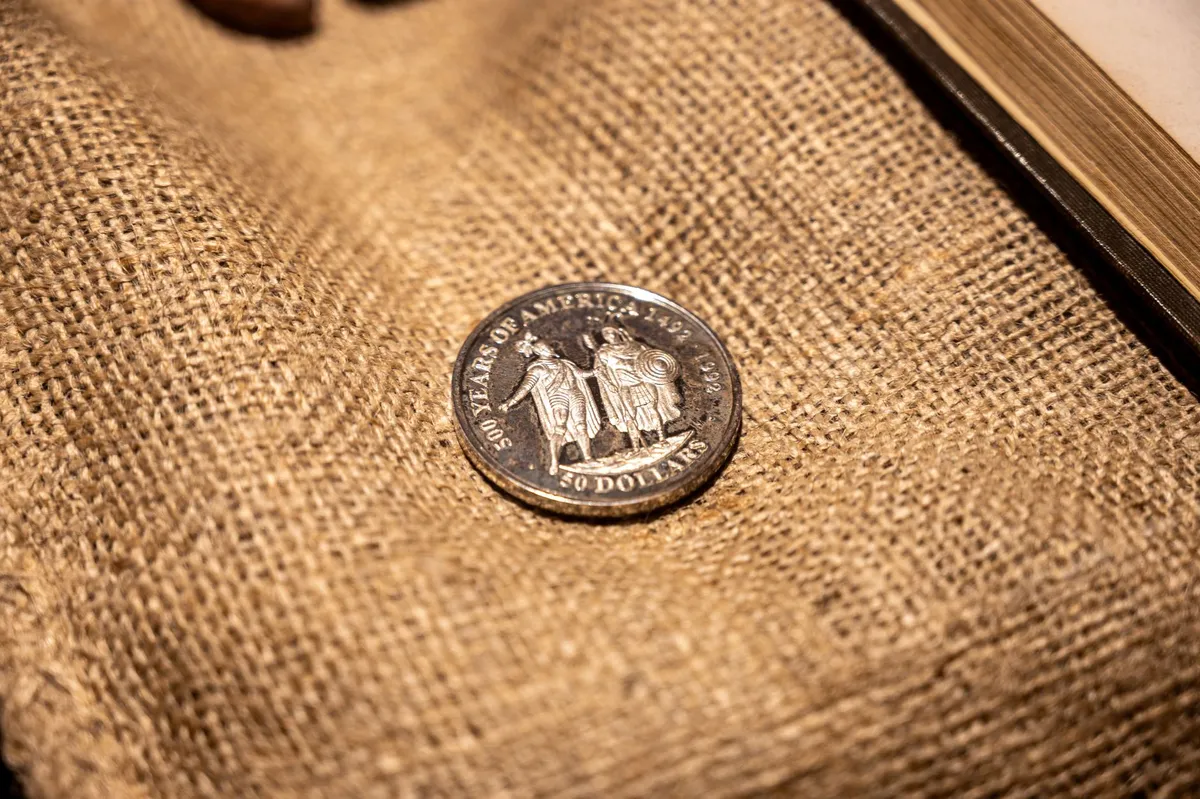
The one-troy-ounce coin is the workhorse of the silver market. Nearly every national mint that issues a silver bullion coin makes a one-ounce version, and most investors build their holdings around it. It sits at a practical sweet spot: large enough to keep the premium per ounce reasonable, small enough to sell a few at a time. This page explains why the size became standard, compares the leading one-ounce coins, and covers how they are packaged and priced.
Why one ounce became the standard
Precious metals are priced in troy ounces of 31.1035 g, so a one-ounce coin maps directly onto the spot price quoted every day. That makes value easy to calculate: one coin equals one ounce at spot, plus a premium.
The size also balances cost and flexibility:
- Premium per ounce. Striking, packaging and distributing a coin costs roughly the same whatever its size. Spread over one ounce, those costs are moderate; spread over a tenth of an ounce, they become very large relative to the metal.
- Divisibility. If you need to sell part of a holding, you can sell ten coins rather than a whole bar.
- Recognition. Dealers everywhere know the major one-ounce coins and their specifications, which speeds up buying and selling.
- Handling. A one-ounce silver coin is roughly the size of a large commemorative coin, easy to inspect, weigh and measure.
Comparison of the main 1 oz silver coins
| Coin | Country | Issued since | Fineness | Face value |
|---|---|---|---|---|
| American Silver Eagle | United States | 1986 | .999 | $1 |
| Silver Maple Leaf | Canada | 1988 | .9999 | C$5 |
| Britannia | United Kingdom | 1997 | .958 to 2012, .999 since 2013 | £2 |
| Philharmonic | Austria | 2008 | .999 | €1.50 |
| Kookaburra | Australia | 1990 | .999 or finer | A$1 |
| Libertad | Mexico | 1982 | .999 | None stated |
| Krugerrand (silver) | South Africa | 2017 | .999 | Legal tender |
All of these contain one troy ounce of fine silver. Their differences lie in design, purity, security features and, above all, the premium buyers are willing to pay. The silver Krugerrand, launched in 2017 for the 50th anniversary of the original gold coin described in Krugerrand gold coins, is a relative newcomer. For the history and specifics of each issuer, see the silver bullion coins overview.
Coins, rounds and bars
One ounce of silver can come in three forms:
- Sovereign coins are struck by government mints, carry a face value and are backed by the issuing state’s guarantee. They usually have the highest premiums of the three but also the widest recognition at resale.
- Rounds are coin-shaped pieces struck by private mints. They have no legal tender status and typically sell for less above spot. The trade-offs are covered on the 1 oz silver rounds page.
- Bars range from one ounce to a kilogram or more. Larger bars offer the lowest premium per ounce but are less divisible, and small one-ounce bars are rarely cheaper than rounds.
A buyer focused on the most silver per dollar tends to favor rounds and large bars. A buyer who values liquidity and authenticity across borders tends to favor sovereign coins.
Tubes and monster boxes
Mints ship one-ounce coins in plastic tubes, which protect the coins and make counting easy. The number per tube varies by mint: Silver Eagles come in tubes of 20, for example, while other mints use different counts.
Larger orders arrive in sealed mint boxes, often called “monster boxes.” A Silver Eagle monster box holds 500 coins, packed in 25 tubes of 20, and is sealed with straps by the US Mint. Other mints use their own box formats. Unopened boxes are attractive at resale because the buyer can be confident that the coins have not been handled or swapped. Breaking a box is fine for storage, but keeping the original packaging generally helps when you sell in bulk.
Understanding premiums
The premium is the amount paid above the melt value of the silver. For one-ounce coins it varies with:
- The coin. Eagles and Libertads often cost more than Maple Leafs, Britannias or Philharmonics with the same silver content.
- Quantity. Buying by the tube or box usually lowers the price per coin.
- Year. Current-year coins sometimes carry a slightly higher premium than mixed or older dates.
- Market conditions. In periods of strong demand, premiums on silver coins can widen sharply even if spot is stable.
- Local tax. Sales tax or VAT treatment of silver differs between jurisdictions and can change the effective premium.
When comparing offers, convert everything to a premium per ounce over spot. That makes coins, rounds and bars directly comparable.
Key points
- One troy ounce is the standard because it tracks the spot price directly and keeps premiums moderate.
- The Eagle, Maple Leaf, Britannia, Philharmonic, Kookaburra, Libertad and silver Krugerrand are the main sovereign options.
- Rounds and bars usually cost less above spot; sovereign coins are easier to resell.
- A Silver Eagle monster box holds 500 coins in 25 tubes of 20.
- Compare offers by premium per ounce, not by price per coin.
This article may contain partner links. They never influence what we write.