Silver Bullion Coins: The Major Sovereign Issues Compared
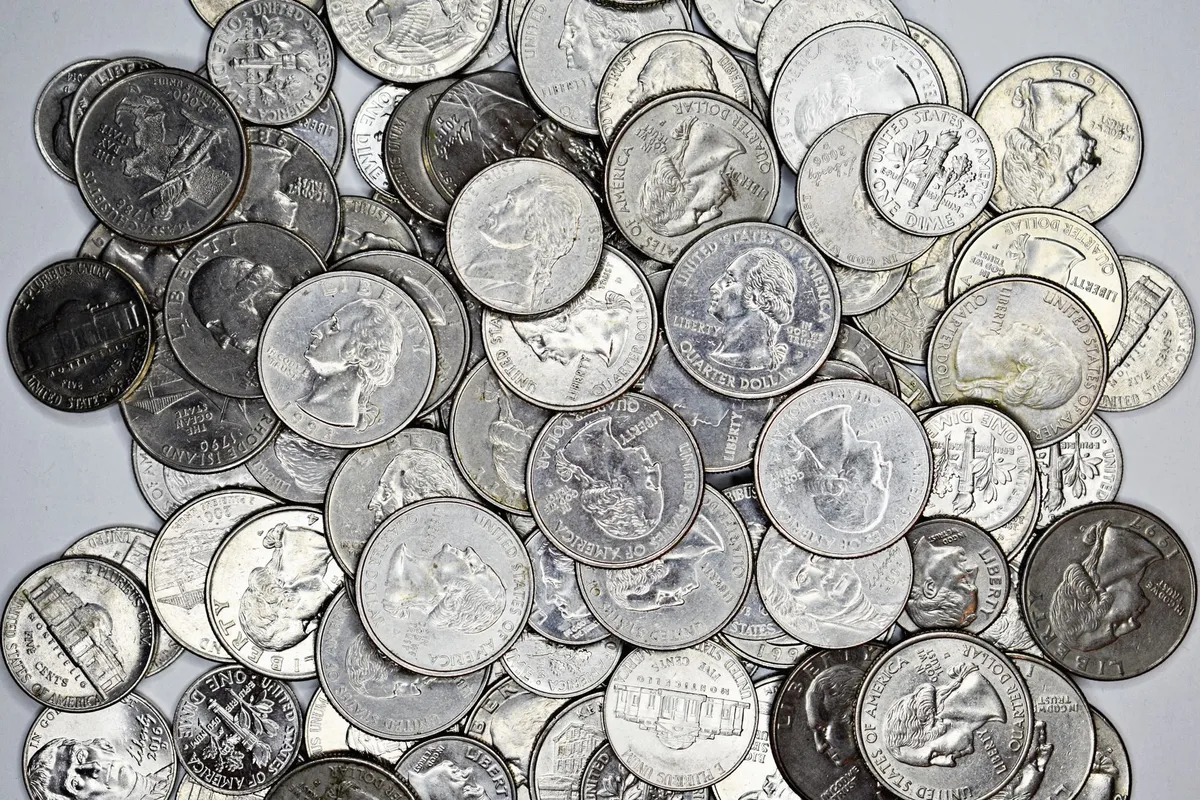
Silver bullion coins are struck by national mints to carry a guaranteed weight of fine silver, a legal tender face value and a design that changes little from year to year. Unlike collector commemoratives, they are meant to trade close to the value of the metal they contain. A small group of coins dominates this market, and each has its own history, fineness and quirks. Knowing them helps you read a price list, recognize a genuine piece and understand why two coins with the same silver content can sell at different prices.
What makes a coin “bullion”
Three features define a silver bullion coin. First, a stated weight of pure silver, usually one troy ounce (31.1035 g), though fractional and multi-ounce sizes exist. Second, a declared fineness, the share of the coin that is pure silver, expressed in thousandths: .999 means 99.9% silver. Third, issuance by a government mint, which gives the coin a nominal face value and the backing of the issuing state’s guarantee on weight and purity.
The face value is symbolic. A one-dollar Silver Eagle contains far more than a dollar of silver, so nobody spends it. What matters is the metal, plus a premium that reflects minting, distribution and demand. For how that premium is built, see silver coin values.
The leading silver bullion coins
American Silver Eagle. Launched in 1986 by the United States Mint, it holds one troy ounce of .999 silver and carries a $1 face value. The obverse uses Adolph Weinman’s Walking Liberty design; the reverse eagle was redesigned in 2021. It is one of the most widely traded silver coins in the world. A gold version, the American Gold Eagle, followed the same year.
Canadian Silver Maple Leaf. Issued by the Royal Canadian Mint since 1988, it contains one ounce of .9999 silver, among the highest purities in the bullion market, with a C$5 face value. Recent issues add anti-counterfeiting features such as fine radial lines in the field. More detail is on the Canadian silver coins page.
Britannia. The Royal Mint introduced the silver Britannia in 1997. Until 2012 it was struck in .958 “Britannia silver”; from 2013 the fineness was raised to .999, bringing it into line with other major bullion coins.
Austrian Philharmonic. The Austrian Mint added a silver version of its Philharmonic in 2008, in .999 silver, showing the instruments of the Vienna Philharmonic. It is especially common in continental Europe.
Mexican Libertad. Mexico’s silver bullion coin dates from 1982 and depicts the Winged Victory of the Angel of Independence monument. It is .999 silver and is produced in many sizes, with mintages that are modest compared with the Eagle or Maple Leaf. See Mexican silver coins.
Australian Kookaburra. The Perth Mint first struck the silver Kookaburra in 1990. Its reverse changes every year, which gives it a collectible angle on top of its metal value.
Chinese Panda. China’s silver Panda also changes design annually. Long struck in troy-ounce weights, it moved to metric gram weights in 2016, so older and newer Pandas are not the same size. Check the stated weight of each year rather than assuming one ounce.
Comparison table
| Coin | Issuer | First year (bullion) | Fineness | Notes |
|---|---|---|---|---|
| American Silver Eagle | United States Mint | 1986 | .999 | $1 face value, 1 oz |
| Silver Maple Leaf | Royal Canadian Mint | 1988 | .9999 | C$5 face value, 1 oz |
| Britannia | The Royal Mint (UK) | 1997 | .958 to 2012, .999 since 2013 | 1 oz standard size |
| Philharmonic | Austrian Mint | 2008 | .999 | Widely traded in Europe |
| Libertad | Casa de Moneda de México | 1982 | .999 | Many sizes, lower mintages |
| Kookaburra | Perth Mint | 1990 | .999 or finer | Design changes yearly |
| Panda | China | — | .999 | Metric weights since 2016 |
How these coins differ in practice
On paper, a one-ounce Eagle and a one-ounce Maple Leaf hold the same amount of silver. In the market, they rarely cost the same. Several factors explain the gap:
- Recognition. The Eagle dominates in the United States, the Maple Leaf in Canada, the Philharmonic and Britannia in Europe. A coin sells most easily where it is best known.
- Mintage. Coins produced in smaller numbers, such as the Libertad, often carry a higher premium.
- Changing designs. Annual design changes, as with the Kookaburra and Panda, draw collectors and can lift prices for particular years.
- Taxation. Tax treatment of silver varies by country and can make one coin more attractive locally than another.
- Fineness. A .9999 coin is slightly softer and more prone to marks, while a .958 Britannia is a little harder; neither changes the silver content stated on the coin.
Sizes and packaging
Most investors buy the one-ounce size, which balances liquidity and premium; the reasons are explained in 1 oz silver coins. Mints also pack coins in plastic tubes and larger sealed boxes, which helps protect them and simplifies resale in quantity. Fractional silver coins exist but carry high premiums relative to their metal content, since striking a small coin costs nearly as much as a large one.
Key points
- A silver bullion coin is defined by a guaranteed weight, a declared fineness and a government issuer.
- The face value is nominal; the silver content and the premium set the market price.
- The Eagle, Maple Leaf, Britannia, Philharmonic, Libertad, Kookaburra and Panda account for most of the sovereign silver bullion market.
- Fineness ranges from .958 (older Britannias) to .9999 (Maple Leaf), but the stated silver weight is what you are buying.
- Premiums differ between coins because of recognition, mintage, design changes and local taxes.
- The spot price of silver moves daily, so premiums are best compared as a percentage over melt value.
This article may contain partner links. They never influence what we write.