Buying and Selling Bullion Coins in France: A Guide for English-Speaking Residents
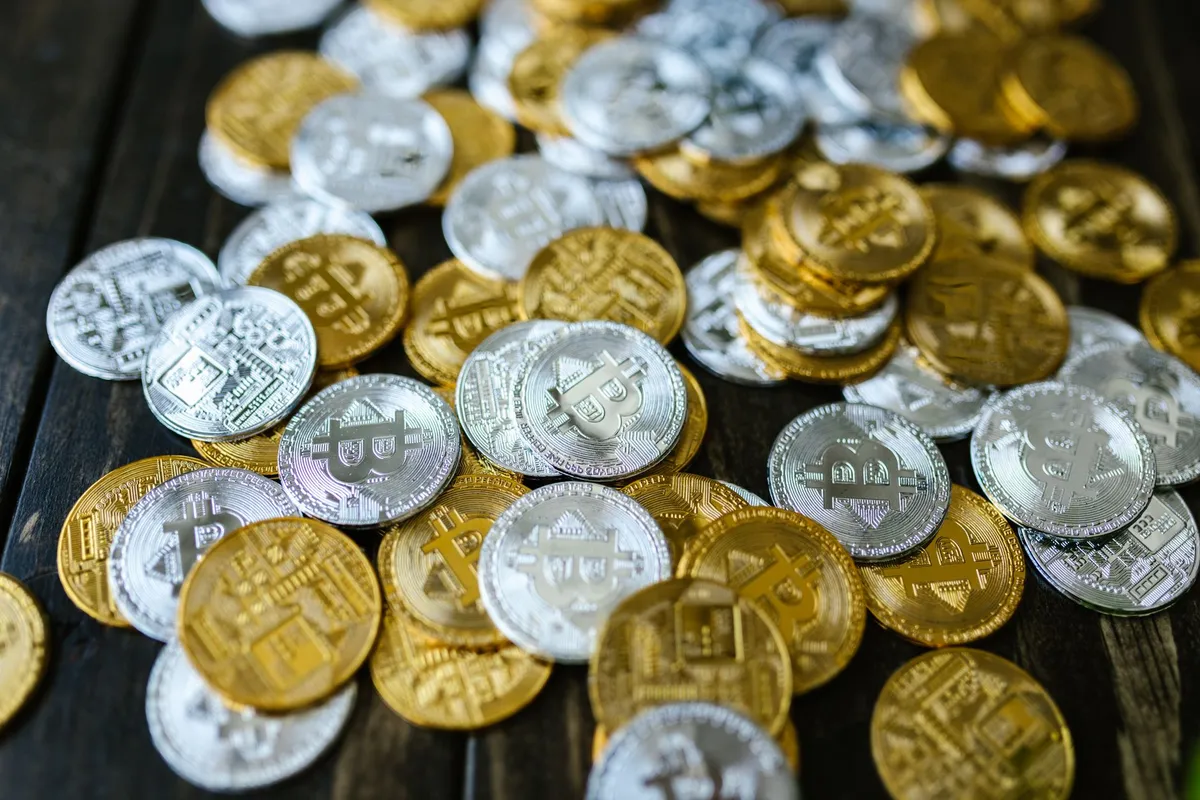
English-speaking residents of France, from retirees on the Riviera to families in Paris or Brittany, often bring a familiar habit with them: keeping part of their savings in bullion coins. France is a good place to do so. The country has a long tradition of private gold ownership, a large network of coin dealers and a well-established market for the most common coins. A few local features are worth understanding first.
The coins French dealers know best
Every dealer in France knows the classic international bullion coins, but the domestic market has its own favourites.
| Coin | Metal | Fine metal | Notes |
|---|---|---|---|
| 20 francs Napoleon | Gold, 900 ‰ | about 5.81 g | The traditional French savings coin |
| Sovereign | Gold, 916.7 ‰ | about 7.32 g | Widely traded across Europe |
| Krugerrand | Gold, 916.7 ‰ | 1 troy oz | Popular one-ounce coin |
| Britannia | Silver, 999 ‰ | 1 troy oz | UK silver bullion coin |
| Vienna Philharmonic | Silver, 999 ‰ | 1 troy oz | Euro face value |
The 20 francs Napoleon, struck in the nineteenth and early twentieth centuries, is the coin most closely associated with French gold saving. It is quoted daily on the French market and is easy to sell. For English-speaking buyers, the Sovereign has a similar status: a small, recognisable gold coin that dealers buy and sell routinely. Our overview of European gold coins covers the other historic pieces you are likely to meet, such as the Swiss Vreneli and the Latin Monetary Union coins.
Among silver coins, the Britannia is one of the most familiar, and a sensible first purchase. A typical listing is the Britannia one-ounce silver coin from the Royal Mint, which gives the weight, purity and issuer you should expect to see on any serious offer.
VAT: gold and silver are not treated the same way
In the European Union, investment gold is exempt from VAT. That includes gold coins on the official list of investment coins, which covers the Napoleon, the Sovereign, the Krugerrand and the main modern bullion coins. Silver coins, by contrast, are subject to VAT when bought in France.
This has two practical consequences. First, gold coins in France are priced close to their metal content plus a premium. Second, the gap between what you pay for a silver coin and what a dealer will pay you back is generally wider than for gold, because the VAT paid on purchase is not recovered on resale. Anyone buying silver mainly as an investment should keep that in mind.
What a French dealer will check
When you sell, the dealer will look at the coins before making a firm offer. Expect:
- Weighing and measuring, sometimes with a caliper, to compare against the coin’s specifications;
- Electronic or density testing, especially for gold coins;
- A visual check of the date, mint mark and condition;
- Identification of the seller, which French gold buyers are required to record.
Coins in their original tubes or capsules are checked faster. Cleaned or damaged coins are usually bought for their metal value only. If you have a coin that might be a rare date or a collector piece, ask whether the dealer also handles numismatics, or get a second opinion from a specialist.
Payment and paperwork
In France, a dealer buying gold from a private individual pays by bank transfer or cheque rather than in cash. Bring:
- A passport or residence permit, and proof of address;
- Your bank details, in your own name;
- Any purchase invoices you have, which help prove ownership and may matter for tax;
- A list of your coins by type, date and quantity, to speed things up.
The sale of precious metals by private individuals is taxed in France, and more than one regime can apply depending on whether you can document the purchase. The rules also depend on your residence and may be affected by tax treaties. Check them with a tax adviser or the French tax administration before a significant sale rather than relying on rules of thumb.
Getting quotes on the Riviera
The Côte d’Azur has a concentration of gold and coin dealers, which makes comparing offers easy. In Cannes, for example, Maison Or & Bijoux at 5 rue Tony Allard buys, sells and estimates gold, silver, jewellery, watches and collectible coins, with prices based on the day’s market rate, and offers a free estimate with payment by transfer or cheque.
Whichever shop you approach, the method is the same as in our guide to selling bullion coins:
- note the gold or silver price at the time you ask;
- describe the coins precisely, including dates and condition;
- ask for a firm price per coin and the total, and how long it is valid;
- compare the net amount from two or three buyers.
Most dealers on the Riviera work in French, but many deal regularly with English-speaking clients. Writing down the exact list of coins in advance avoids misunderstandings.
Buying coins in France: a short checklist
- Prefer coins that trade easily in France as well as at home: the Napoleon, the Sovereign and the main one-ounce coins.
- Ask for the premium over metal value and the dealer’s current buy-back price for the same coin.
- Pay by transfer from your own account and keep the invoice.
- Store coins in their original tubes or capsules, and avoid cleaning them.
- If you may move country later, think now about where you would sell and whether you would need to carry coins across a border, which can trigger declaration requirements.
Bullion coins are among the most portable and liquid ways to hold gold and silver. In France, with its long coin-saving tradition, they are also among the easiest to buy and sell, provided you know how the local market works.
This article may contain partner links. They never influence what we write.