European Gold Coins: Philharmonic, Napoleon, Vreneli and More
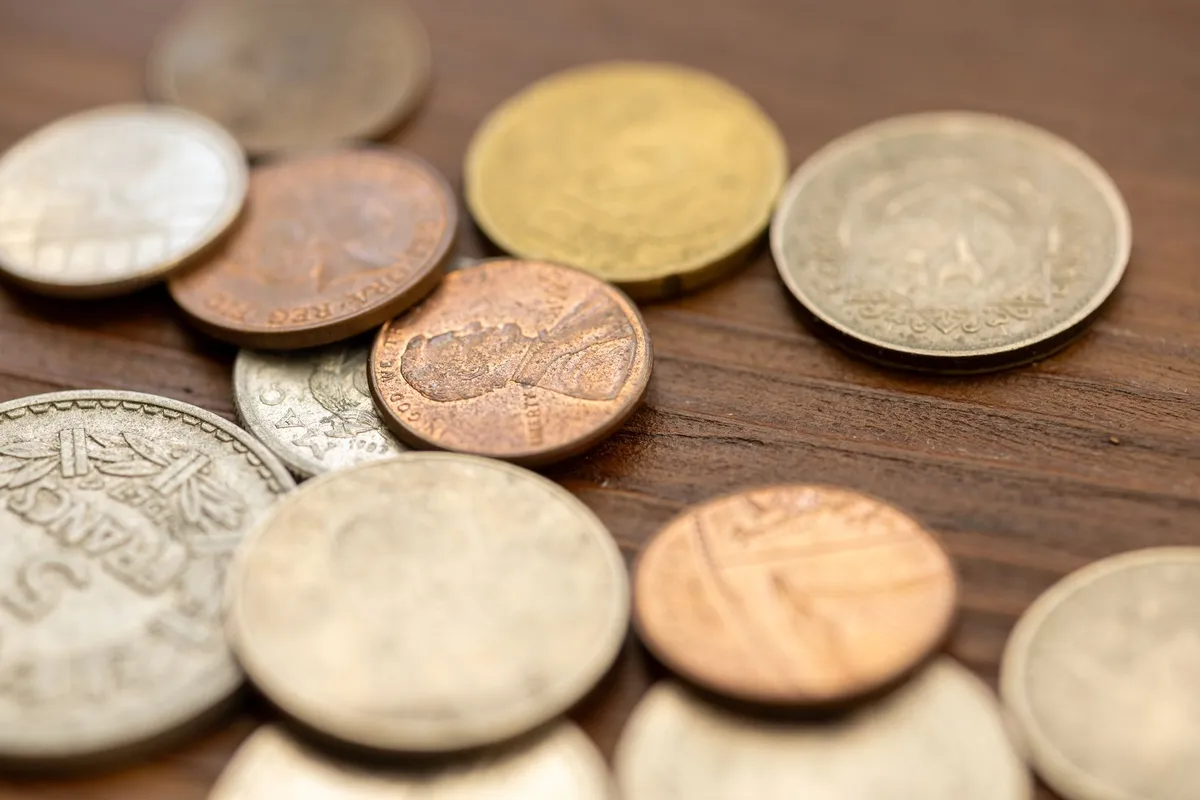
Europe offers two very different families of gold coins. On one side are modern bullion coins such as the Austrian Philharmonic, struck in pure gold and sold close to the metal price. On the other are historic circulating coins from the age of the gold standard, such as the French 20 francs and the Swiss 20 francs, which still trade in large numbers as a practical way to hold small amounts of gold. Knowing the weight, fineness and history of each helps you compare them on equal terms.
The Austrian Philharmonic
The Vienna Philharmonic, usually just called the Philharmonic, was launched by the Austrian Mint in 1989. It is struck in .9999 fine gold and shows the great organ of Vienna’s Musikverein on one side and a selection of orchestral instruments on the other. The 1 oz coin carries a face value of €100 today; earlier pieces were denominated in Austrian schillings before the euro arrived.
The Philharmonic is one of the few European coins that sits in the same league as the Canadian Gold Maple Leaf or the Krugerrand for liquidity. It is especially popular in Europe and Japan, and it is made in several fractional sizes, which makes it convenient for buyers who want to stay in one coin family across different budgets. Because it is pure gold, it is softer than 22-carat coins and marks more easily; handle it with care if resale condition matters to you.
Austrian Corona and ducat restrikes
Austria also produces official restrikes of coins from the Austro-Hungarian era. The best known is the 100 Corona, which bears the date 1915 no matter when it was actually struck. It is a large coin of .900 gold containing 0.9802 troy oz of fine gold, so it is very close to a full ounce and is often bought as a low-premium alternative to 1 oz bullion coins.
The Austrian Mint also restrikes 1 ducat and 4 ducat pieces, likewise dated 1915. Ducats are struck in .986 gold, a higher fineness than most historic coins. The 1 ducat is a thin, small coin of about 3.5 g, while the 4 ducat is a broad, very thin piece prized for its appearance. Because these coins are restrikes, they are valued for their gold content rather than for rarity.
The French 20 francs: Napoleon and Rooster
In France, almost any 20 franc gold coin is loosely called a “Napoléon”, after the coins of Napoleon I and Napoleon III that bore the emperor’s portrait. Later types include the Third Republic pieces with the Genius design and the well-known Marianne and Rooster (“Coq”) type struck from 1899 to 1914. Rooster coins were also restruck in the 1950s using pre-war dates.
All of these share the same standard: 6.45 g of .900 gold, giving 5.806 g of fine gold (about 0.1867 troy oz). That common standard is what makes them so easy to trade. In France the Napoleon has long been quoted daily as a reference coin, and dealers across Europe recognize it on sight.
The Swiss 20 francs “Vreneli”
Switzerland’s 20 franc gold coin, nicknamed “Vreneli”, shows a young woman’s head against an Alpine background. It was first struck in 1897 and remained in production for about half a century. Like the French coin, it weighs 6.45 g in .900 gold, so its gold content is the same 5.806 g.
The Vreneli tends to carry a slightly higher premium than common French 20 francs, partly because of its reputation for quality striking and partly because of steady demand from Swiss and German buyers. Some dates are scarce and are priced as collector items rather than as bullion.
The Latin Monetary Union and other coins
The identical standards of French and Swiss coins are no accident. In 1865 France, Belgium, Italy and Switzerland founded the Latin Monetary Union, later joined by Greece. Members struck gold and silver coins to the same weights and fineness so they could circulate across borders. The 20 franc gold coin (or 20 lire, 20 drachmai) was the backbone of the system. The union lost its purpose after the First World War and was formally wound up in the 1920s.
As a result, Belgian and Italian 20 franc and 20 lire coins contain the same 5.806 g of fine gold and trade on similar terms to French and Swiss coins. Spain did not formally join, but its peseta coinage followed the same standard, and Spanish gold coins such as the 20 and 100 pesetas appear on the market from time to time. They are less common and buyers should take extra care over authenticity, since some old pieces were widely counterfeited.
Britain stayed outside the union. The British sovereign, struck in 22-carat gold, remains the main reference for comparison and is often set side by side with the Napoleon and the Vreneli.
Specifications at a glance
| Coin | Country | Fineness | Gross weight | Fine gold |
|---|---|---|---|---|
| Philharmonic 1 oz | Austria | .9999 | 31.10 g | 1 troy oz |
| 100 Corona (1915 restrike) | Austria | .900 | about 33.9 g | 0.9802 troy oz |
| 1 ducat (1915 restrike) | Austria | .986 | about 3.5 g | about 0.11 troy oz |
| 20 francs Napoleon / Rooster | France | .900 | 6.45 g | 5.806 g |
| 20 francs Vreneli | Switzerland | .900 | 6.45 g | 5.806 g |
| 20 lire / 20 francs (LMU) | Italy, Belgium | .900 | 6.45 g | 5.806 g |
| Sovereign | United Kingdom | .9167 | 7.98 g | 0.2354 troy oz |
Key points
- Modern European bullion coins, led by the Philharmonic, are pure gold and trade close to spot.
- Historic 20 franc coins all share one standard, which makes the metal value easy to work out: multiply 5.806 g by the gram price of gold.
- Small coins such as the Napoleon and Vreneli carry a higher premium per gram than 1 oz coins, but they are useful for splitting a holding into small units.
- Scarce dates and high-grade examples can trade well above their metal value; if you only want gold content, common dates and restrikes are the simpler choice.
For a wider comparison with coins from other countries, see the overview of gold bullion coins.
This article may contain partner links. They never influence what we write.