Australian Gold Kangaroo Coins: From Nugget to Kangaroo
Australia is one of the world’s largest gold producers, and its best-known gold bullion coin reflects that heritage. Struck by the Perth Mint, the coin began life as the Australian Gold Nugget, featuring famous nuggets from the country’s gold rushes, before switching to a kangaroo design that changes every year. Today it sits alongside the Krugerrand, the Maple Leaf and the Eagle among the main international gold bullion coins.
Origins: the Gold Nugget
The Perth Mint, established in 1899 as a branch of the Royal Mint to refine gold from the Western Australian goldfields, launched its gold bullion coin program in the late 1980s. The first coins showed celebrated gold nuggets found in Australia, such as the “Welcome Stranger”, one of the largest alluvial nuggets ever discovered. This is why the series is still often called the Gold Nugget, even though the nugget design gave way to a kangaroo from 1989.
The kangaroo designs
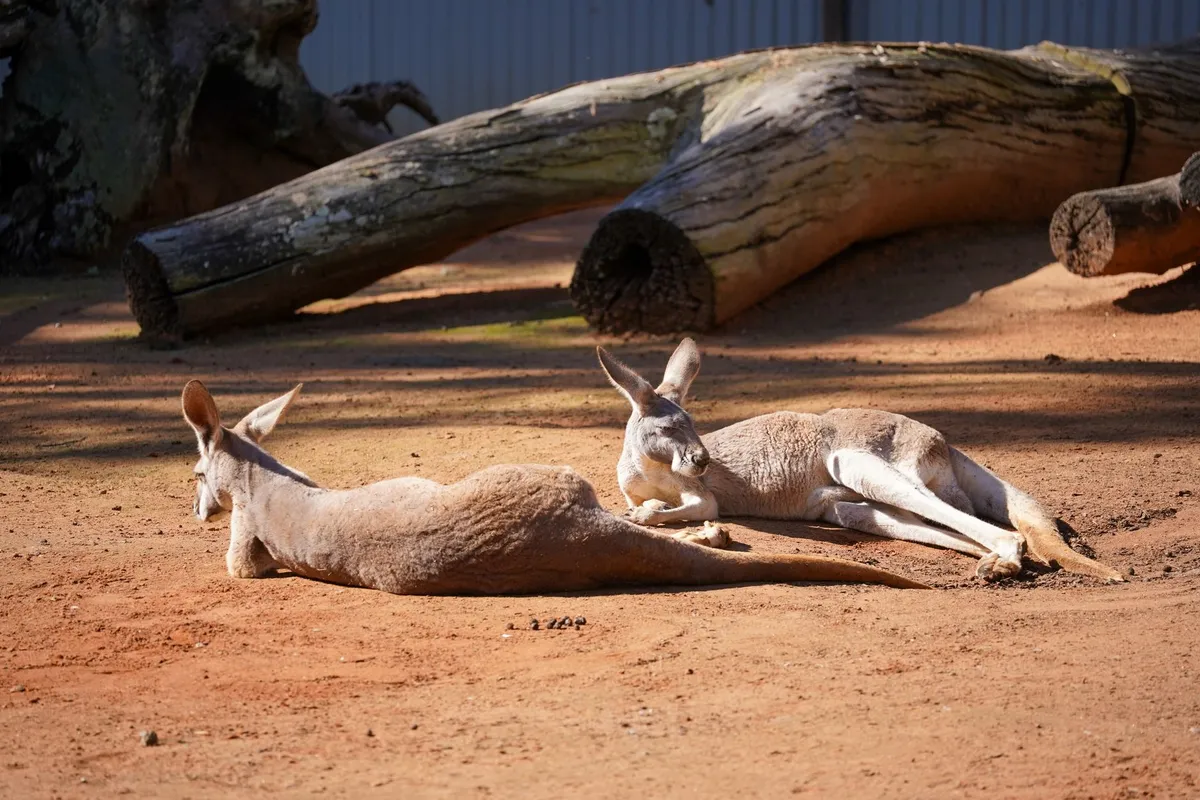
Since the switch, the reverse of the coin has shown a kangaroo, with a new design each year. Different artists have depicted the animal bounding, resting, grazing or with a joey, often against an outback landscape. The changing design gives each year its own character, which appeals to some collectors, but the bullion coins are struck in large numbers and generally trade on their gold content.
The obverse carries the effigy of the reigning monarch, as on other Australian coins. Coins dated after the death of Queen Elizabeth II have moved to the effigy of King Charles III.
Specifications
The main characteristics of the one-ounce coin:
| Feature | Detail |
|---|---|
| Metal | Gold |
| Fineness | .9999 (24 karat) |
| Fine gold content | 1 troy ounce |
| Face value | 100 Australian dollars |
| Issuer | The Perth Mint |
| Legal tender | Yes, under the Australian Currency Act |
Like the Canadian Maple Leaf, the coin is struck in 24-karat gold, which makes it softer and more prone to marks than 22-karat coins such as the Krugerrand or the American Gold Eagle. Handle it with care to avoid scratches.
Sizes
The Perth Mint has struck the bullion coin in a wide range of weights over the years. The standard fractional sizes are 1/10 oz, 1/4 oz and 1/2 oz alongside the 1 oz coin, and the mint has also produced larger pieces, including 2 oz, 10 oz and 1 kilogram coins. Availability of the larger sizes varies from year to year. Smaller sizes carry higher premiums per ounce, a point explained in our guide to fractional gold coins.
Bullion versus collector versions
The Perth Mint sells the bullion version through a network of distributors and dealers. It also issues proof and special editions of the kangaroo in limited quantities, often in presentation cases, as well as coloured, privy-marked and anniversary versions. These special editions are priced as collectibles. For someone who wants gold at the lowest possible premium, the standard bullion coin of the current or a recent year is usually the simplest choice.
Security and packaging
Recent kangaroo coins come in protective capsules or tubes from the mint, and the Perth Mint has introduced anti-counterfeiting features on some of its bullion products. Keeping coins in their original capsules helps protect the soft 24-karat surface and makes resale easier.
How it compares
| Coin | Fineness | Design changes yearly |
|---|---|---|
| Australian Gold Kangaroo | .9999 | Yes |
| Canadian Gold Maple Leaf | .9999 | No |
| South African Krugerrand | .9167 | No |
| American Gold Eagle | .9167 | No (reverse changed in 2021) |
All four contain one troy ounce of fine gold in their one-ounce version, so their bullion value is the same. Differences in premium come from local demand, availability and recognition. The kangaroo is widely traded in Asia and Australia and well known among European and American dealers.
For more on the major modern gold coins, see our overview of gold bullion coins, the Canadian Gold Maple Leaf and our step-by-step guide on how to buy gold coins.
This article may contain partner links. They never influence what we write.