Mexican Silver Coins: From Pieces of Eight to the Libertad
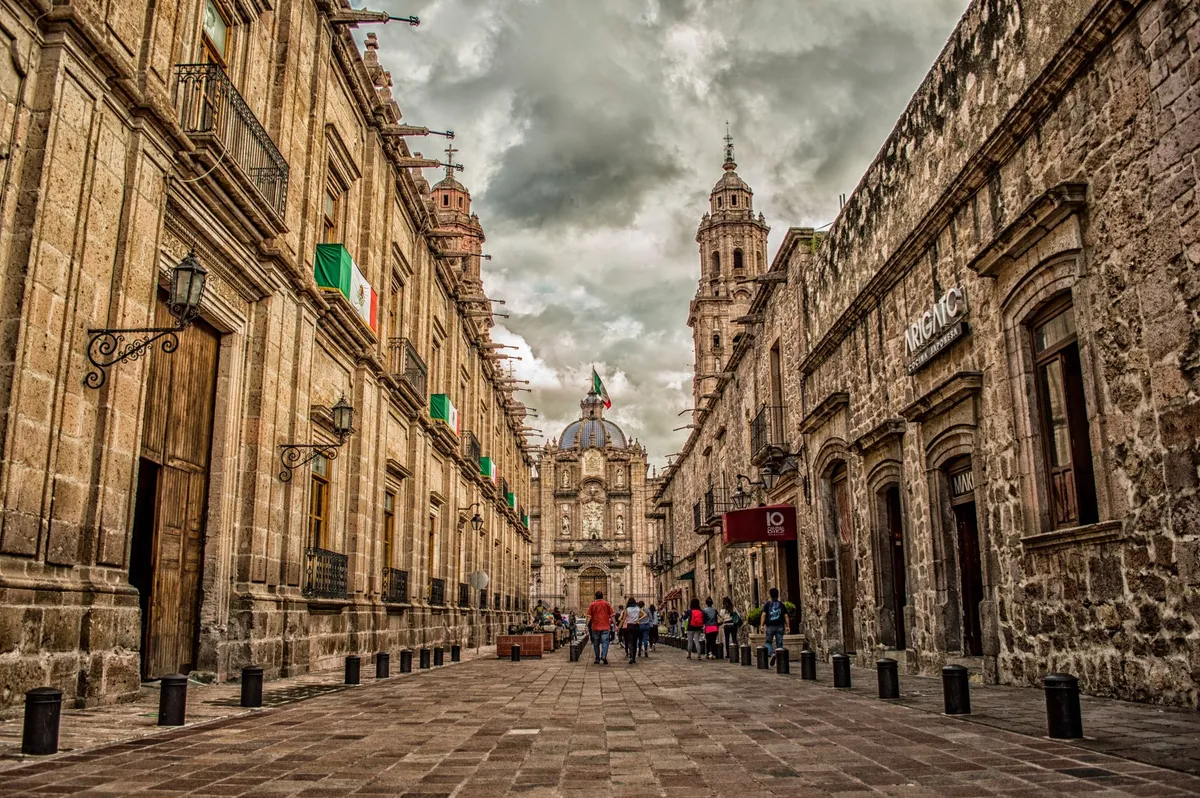
Few countries are as closely tied to silver as Mexico. For centuries its mines supplied a large share of the world’s silver, and its mint turned that metal into coins that circulated across the Americas, Europe and Asia. Today the tradition continues with the Libertad, one of the most admired silver bullion coins in the world. Understanding where the Libertad comes from also explains why it is priced differently from most other bullion coins.
The colonial era: pieces of eight
The Mexico City mint, founded in the 16th century under Spanish rule, was the first mint in the Americas. Its most famous product was the 8 reales coin, known in English as the “piece of eight” and more broadly as the Spanish dollar. Early examples were crude, hand-cut “cobs”; later issues were struck on round, milled planchets with reeded edges designed to deter clipping.
Mexican 8 reales coins traveled along trade routes from Manila to London. They were so widely trusted that they served as a de facto international currency, circulated in the British colonies of North America and remained legal tender in the United States until the mid-19th century. The US dollar itself was modeled on the Spanish dollar. Collectors today value surviving pieces for their history, mint marks and assayer initials, and prices depend heavily on condition and rarity rather than silver content.
Silver pesos of the 20th century
After independence, Mexico continued to strike silver coinage, eventually adopting the peso as its main unit. Through much of the 20th century, silver pesos and smaller silver coins circulated in daily life. Over the decades the silver content of circulating coins was reduced in steps as the price of silver rose, and by the 1970s silver had been phased out of everyday money.
These older coins vary considerably in alloy, so their silver content must be checked coin by coin rather than assumed. Some trade mainly for their metal, much like US junk silver; others, especially scarce dates or high-grade examples, carry collector premiums. The principles for valuing them are the same as those set out in silver coin values: establish the silver weight first, then assess date, mint and grade.
The Libertad: Mexico’s bullion coin
The silver Libertad was introduced in 1982 by the Casa de Moneda de México, the national mint and successor to the colonial Mexico City mint. It is struck in .999 fine silver.
Design. The reverse shows the Winged Victory figure that crowns the Angel of Independence monument in Mexico City, with the volcanoes Popocatépetl and Iztaccíhuatl in the background. The obverse carries Mexico’s national coat of arms: an eagle perched on a cactus, devouring a serpent. The design has been refined over the years, and the coat of arms on current issues is surrounded by earlier historical versions of the national emblem.
Legal tender without a face value. Unusually, the Libertad does not state a monetary denomination. It is legal tender in Mexico, but its value is tied to the silver price rather than to a fixed number of pesos.
Sizes. The Libertad family covers a broad range of weights, from small fractional coins of 1/20 oz through the standard one-ounce coin to multi-ounce pieces and a one-kilogram coin. Not every size is produced every year, and proof and reverse-proof versions are also issued for collectors.
| Feature | Silver Libertad |
|---|---|
| Issuer | Casa de Moneda de México |
| Bullion issue since | 1982 |
| Fineness | .999 |
| Main design | Winged Victory, Angel of Independence |
| Face value | None stated; legal tender in Mexico |
| Size range | From 1/20 oz up to 1 kg |
Why Libertads carry a higher premium
Buyers comparing one-ounce coins often notice that a Libertad costs more than an American Silver Eagle or a Canadian Maple Leaf with the same silver content. Several reasons combine:
- Lower mintages. The Mexican mint produces far fewer Libertads each year than the US or Canadian mints produce of their flagship coins. Scarcity supports higher prices.
- Collector demand. Because mintages vary from year to year, some dates become sought after, and collectors compete with investors for the same coins.
- Design appeal. Many buyers consider the Libertad one of the most attractive bullion designs, which supports demand.
- Distribution. Fewer wholesale channels outside Mexico can mean higher costs to bring coins to market abroad.
The flip side is that the higher premium is usually recovered only partly when you sell. A buyer focused purely on ounces per dollar will normally find lower premiums elsewhere; see 1 oz silver coins for a side-by-side comparison.
Before you buy Mexican silver
- Confirm the weight and fineness stamped on the coin; Libertads state both.
- For older pesos, look up the alloy for that specific type and year.
- Expect a higher premium on Libertads than on the most common bullion coins, and factor it into your expected resale.
- Inspect colonial and older coins carefully: counterfeits of historic pieces exist, and authentication by a specialist is wise for anything valuable.
- Keep Libertads in their original capsules or tubes to protect their surfaces.
For a broader view of the sovereign silver market, the silver bullion coins overview compares the Libertad with its main rivals.
This article may contain partner links. They never influence what we write.