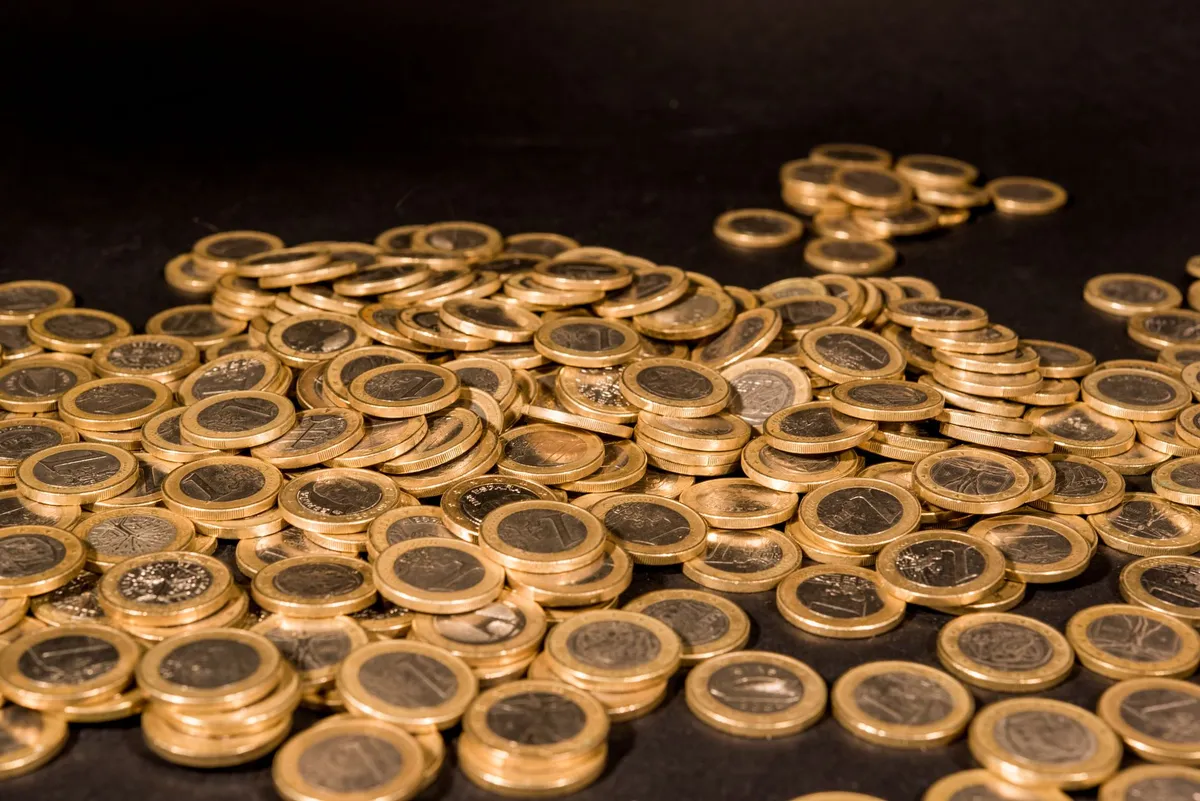
Gold coins
Gold Bullion Coins: A Guide to the Major Modern Issues
An overview of the main gold bullion coins, from the Krugerrand to the Panda, with purity, sizes, premiums and face value explained.
An overview of the main gold bullion coins, from the Krugerrand to the Panda, with purity, sizes, premiums and face value explained.

China's gold bullion coin since 1982: the yearly panda designs, the 2016 move from troy ounces to grams, purity, sizes and what buyers should check.
The US $20 Double Eagle explained: Liberty Head and Saint-Gaudens types, specifications, the 1933 gold recall, and bullion versus numismatic value.
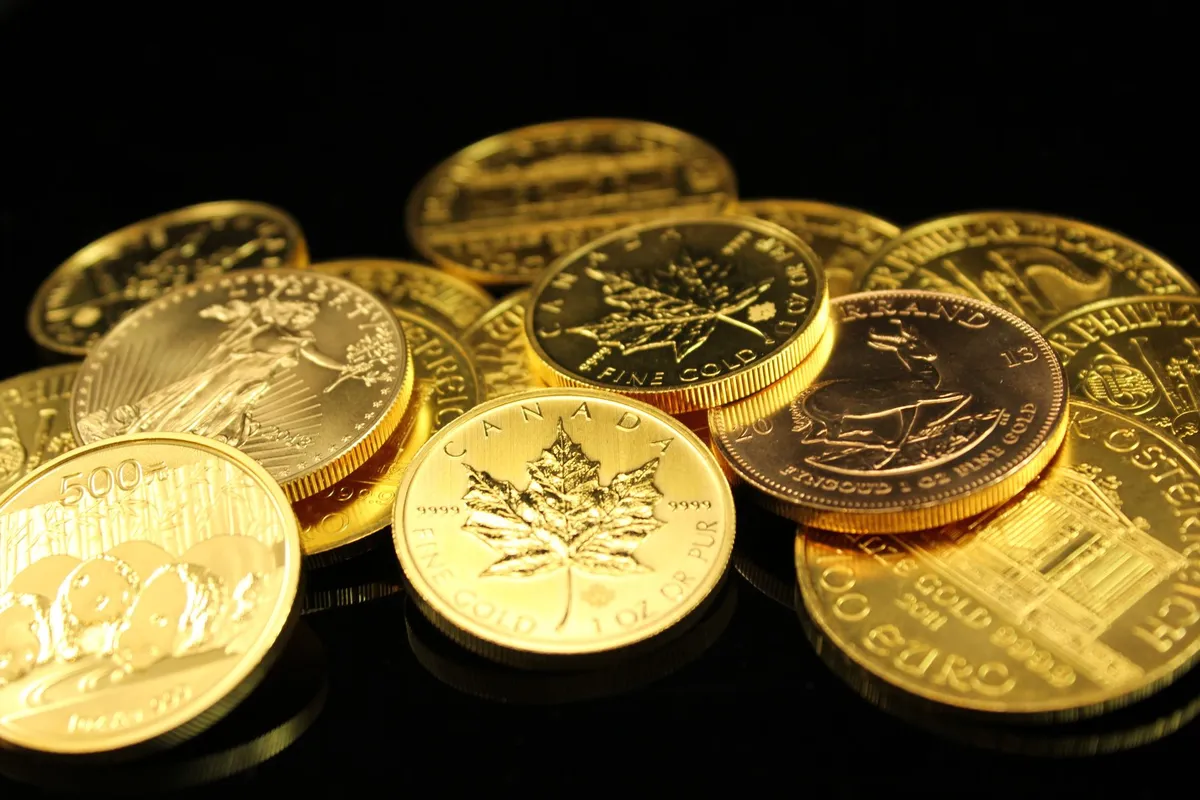
A guide to the US Mint's American Eagle bullion coins in gold, silver, platinum and palladium: dates, specifications, designs and distribution.

The Perth Mint's silver kookaburra series: launched in 1990, a new bird design each year, sizes from 1 oz to 1 kg, and bullion versus collector value.

How the Australian Lunar coins follow the twelve animals of the Chinese zodiac, how the series are organised, and what separates bullion from collector value.
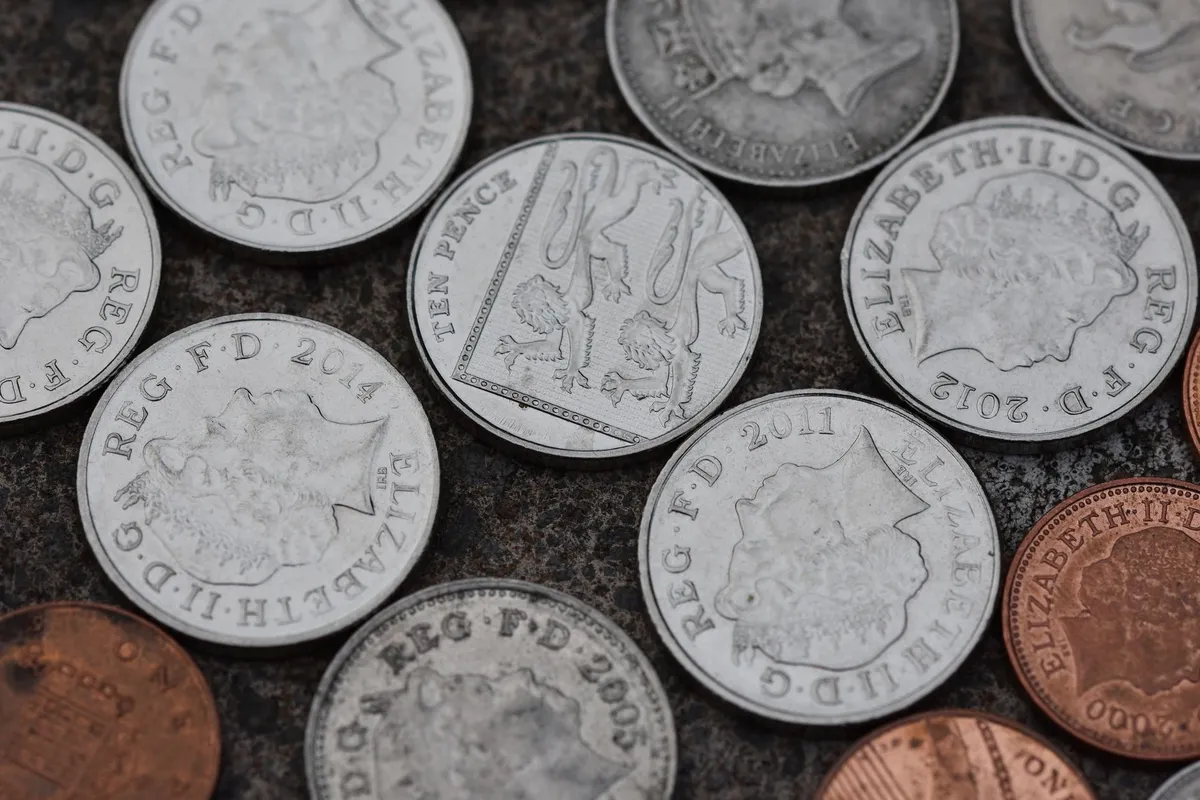
The Royal Mint's silver bullion coin since 1997: the move from Britannia silver to .999 fine in 2013, the £2 face value, sizes and modern security features.
The Royal Canadian Mint's 1 oz Palladium Maple Leaf: specifications, issue history, comparison with gold and silver Maples, and resale.
An overview of palladium and platinum bullion coins, from the Palladium Maple Leaf and Palladium Eagle to the Platinum Eagle and Britannia.
Bullion Coins is a reference guide to the coins people buy for their precious metal content. It explains what each coin contains, who issues it, how its price is formed and what to check before buying or selling. The aim is simple: give clear, accurate information so readers can compare coins on equal terms.
A bullion coin is a coin valued mainly for the weight and purity of the metal it contains. It is usually struck by a government mint, carries a nominal face value, and states its weight and fineness on the coin itself. Its market price follows the price of the metal, plus a premium that covers minting, distribution and the dealer’s margin.
A numismatic coin is different. Its value depends on rarity, age, condition and collector demand, and can be many times its metal value. Some coins sit between the two: historic gold coins such as the French 20 francs or the British sovereign are old enough to have history, yet common enough to trade mostly on their gold content.
| Coin | Mint or country | Metal | Fineness |
|---|---|---|---|
| Krugerrand | South Africa | Gold | .9167 |
| American Gold Eagle | United States Mint | Gold | .9167 |
| Gold Maple Leaf | Royal Canadian Mint | Gold | .9999 |
| Vienna Philharmonic | Austrian Mint | Gold | .9999 |
| Sovereign | United Kingdom | Gold | .9167 |
| American Silver Eagle | United States Mint | Silver | .999 |
| Silver Maple Leaf | Royal Canadian Mint | Silver | .9999 |
| American Platinum Eagle | United States Mint | Platinum | .9995 |
| Palladium Maple Leaf | Royal Canadian Mint | Palladium | .9995 |
| American Palladium Eagle | United States Mint | Palladium | .9995 |
Coins of .9167 fineness are 22-carat gold, alloyed for durability; their gross weight is higher so that the fine gold content reaches the stated amount, such as one troy ounce.
Every bullion coin price starts with the spot price of its metal, a wholesale reference quoted per troy ounce (31.1035 grams). Multiply the coin’s fine metal content by spot and you get its metal value. The price a dealer asks is that metal value plus a premium; the price a dealer pays back is usually close to or slightly below metal value for common coins.
Premiums depend on the coin, its size, the quantity bought and market conditions. Small coins cost more per gram than large ones, and silver and PGM coins carry higher premiums in percentage terms than gold. The gap between a dealer’s selling and buyback prices, the spread, is the true cost of owning a coin and later selling it.
If you are new to the subject, these pages are a good place to start:
You can also browse by theme: gold coins, silver coins, platinum and palladium and buying guides.
Bullion Coins is an independent editorial website. It sells nothing: no coins, no bars, no storage and no investment products. It has no link with any mint, dealer or refiner, nor with any previous user of this domain name. The articles describe coins and markets in general terms and are not personal financial advice; tax rules and market conditions vary, so check the situation where you live before making any decision. More about the site is available on the about page.
Specifications, history, prices and practical buying advice for the world's main bullion coins
Gold coins